Creating a freshwater aquarium is more than just decorating a tank — it's about building a living ecosystem where plants, fish, and beneficial microorganisms thrive together. Whether you're a nature enthusiast or a first-time aquarist, a well-planned aquarium can be calming, educational, and incredibly rewarding.
If you're planning to begin your journey into aquascaping and aquatic care, this guide will help you start the right way—with sustainability, balance, and long-term success in mind.
Why Choose a Freshwater Aquarium?
Freshwater setups are ideal for beginners because:
- They require less maintenance
- Have more affordable equipment
- Provide endless creative opportunities
- Support a wide variety of beginner-friendly species
Most importantly, they allow you to understand how water chemistry, biology, and design work together in nature.
What You Need Before Starting
Before filling your tank with water or fish, gather the essential tools:
| Equipment | Purpose |
|---|---|
| Aquarium Tank (20-30L minimum) | Provides stable environment |
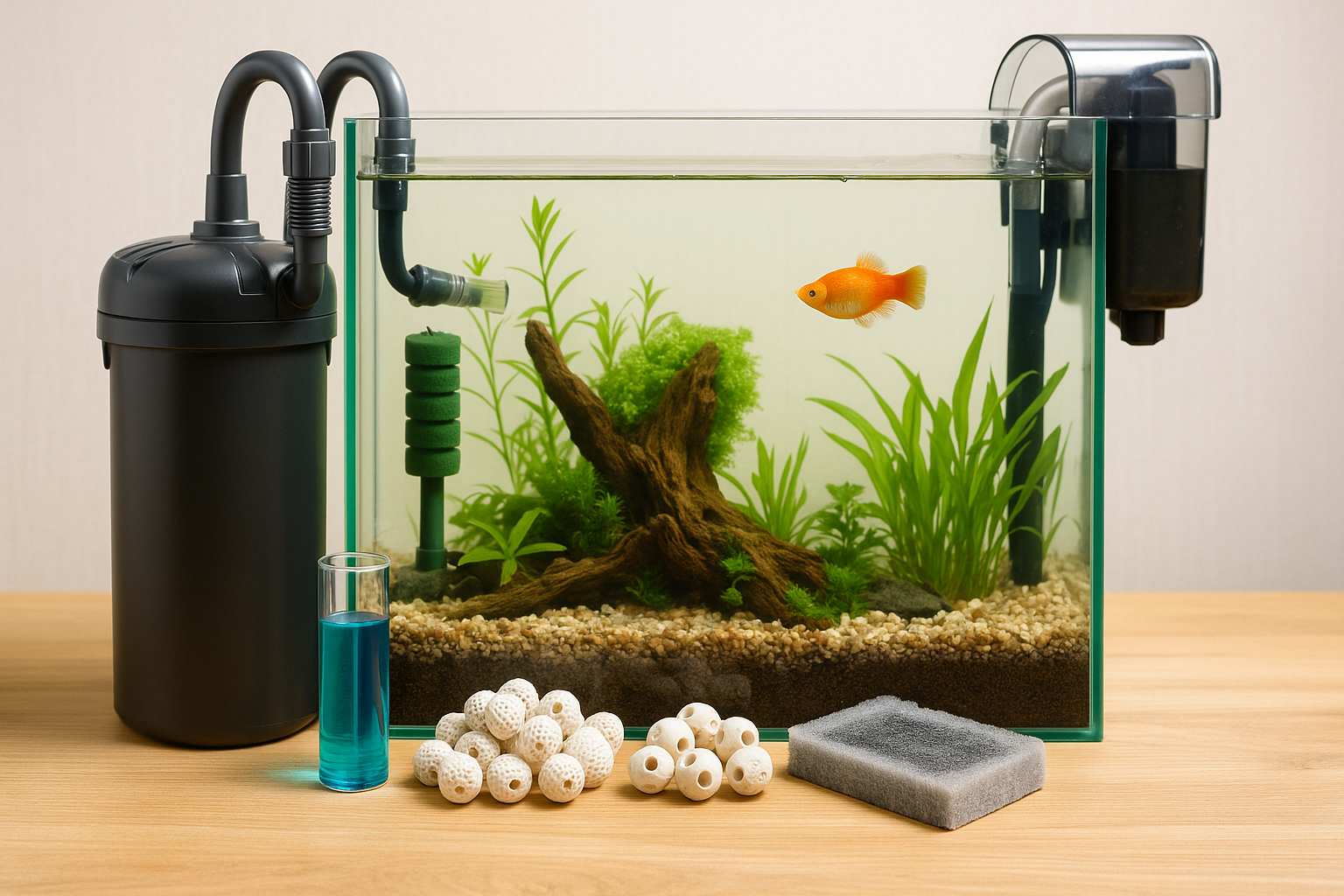
| Filter (sponge / hang-on-back / canister) | Maintains water quality |
| Substrate (soil or sand mix) | Supports plants and bacteria |
| Water Conditioner | Removes chlorine |
| Aquarium Light | Helps plants grow and maintains natural cycle |
| Heater (optional depending on species) | Stabilizes temperature |
| Live Plants | Improve oxygen and balance nutrients |
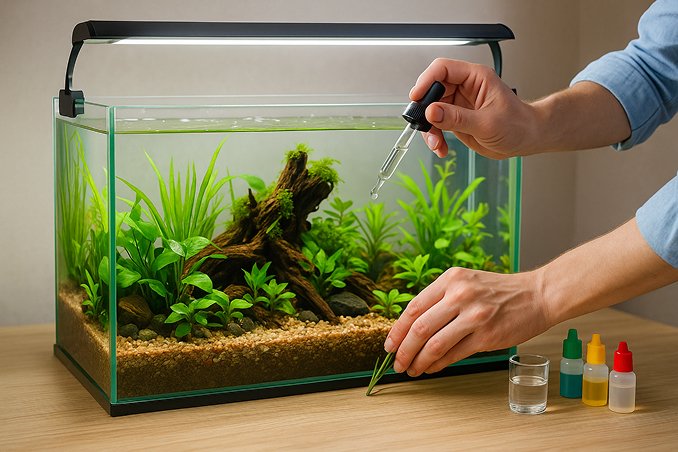
| Test Kit (pH, ammonia, nitrite, nitrate) | Tracks water parameters |
Avoid rushing — proper preparation saves time and prevents future problems.
Step 1: Choose the Right Location
Pick a space that is:
- Away from direct sunlight
- Near an electrical source
- On a stable, level surface
Sunlight encourages algae growth, and unstable placement may stress the tank structure over time.
Step 2: Add Substrate and Hardscape
A thriving aquarium starts from the bottom.
- Use nutrient-rich substrate if you plan to keep live plants.
- Add rocks, driftwood, or décor to create natural spaces for fish to hide and explore.
This step determines the visual personality of your tank.
Step 3: Fill the Tank and Condition the Water
Add water slowly to avoid disturbing your layout, then apply:
- Dechlorinator
- Beneficial bacteria starter
Let the tank run empty (without fish) for at least 5-14 days — this is called cycling and allows healthy bacteria to build inside the filter.
This cycle prevents deadly ammonia spikes.
Step 4: Add Live Plants
Live plants naturally filter the water, support oxygen flow, and reduce algae.
Great beginner plants include:
- Java Fern
- Anubias
- Vallisneria
- Amazon Sword
- Moss (Java Moss, Christmas Moss)
Step 5: Introduce Fish Slowly
Only add fish after water parameters stabilize.
Ideal beginner species:
- Guppies
- Mollies
- Platies
- Zebra Danios
- Betta (in a species tank)
- Corydoras catfish (bottom dwellers)
Rule of thumb: Add fish slowly — never all at once.
Step 6: Maintenance for Long-term Success
A sustainable tank requires consistency — not constant work.
Weekly tasks:
- Change 15–25% of water
- Clean filter sponges gently using tank water
- Trim plants if needed
- Test water parameters
When everything is balanced, your tank becomes stable and requires minimal effort.
Sustainability Tips
- Avoid overfeeding — excess food pollutes water
- Choose captive-bred fish instead of wild-caught
- Use live plants instead of plastic decor
- Reuse water for house plants — it’s full of nutrients
Sustainable aquariums support both the environment and your long-term hobby experience.
Want to Learn Aquascaping the Right Way?
At TiCi Nature Academy, we help beginners transform their passion into skill through:
- Hands-on workshops
- Aquascaping fundamentals
- Plant & fish care training
- Practical ecological understanding
- Real classroom tank setups
Whether you're just starting out or improving your skills, our courses are built for you.
Explore our course - Aquatic Ecosystem Expert
Final Thoughts
A freshwater aquarium is not just decoration — it’s a living balance of biology, design, and care. When set up the right way, it becomes a peaceful, beautiful, and sustainable natural ecosystem inside your home.
Start slow, observe often, and enjoy every small step of growth — just like in nature.