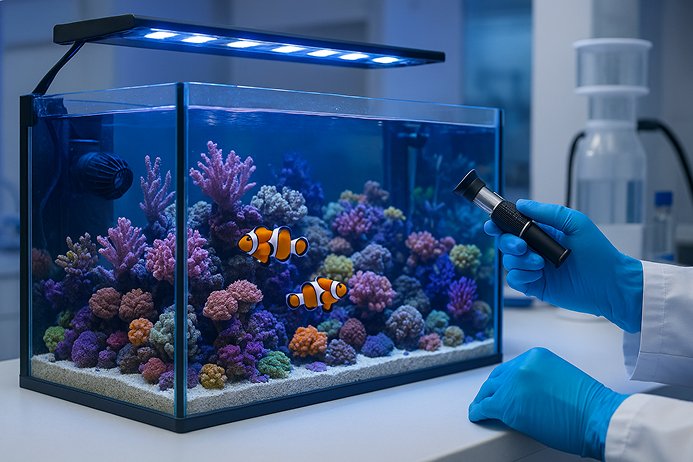
Marine aquariums are stunning underwater ecosystems filled with vibrant colours, and saltwater fish. Unlike freshwater tanks, marine setups require a deeper understanding of chemistry, filtration, and biological balance. With the right approach, they can become breathtaking living displays.
If you're ready to explore the world of saltwater aquariums, this guide will help you begin confidently—with a focus health, stability, and sustainability.
Why Choose a Marine Aquarium?
Marine aquariums attract hobbyists because:
- They feature colorful and fascinating marine life
- Look visually stunning in homes and workplaces
- Provide a deeper learning experience in biology and ocean ecosystems
Most importantly, they let you recreate a miniature experience that blends science, art, and care.
What You Need Before Starting
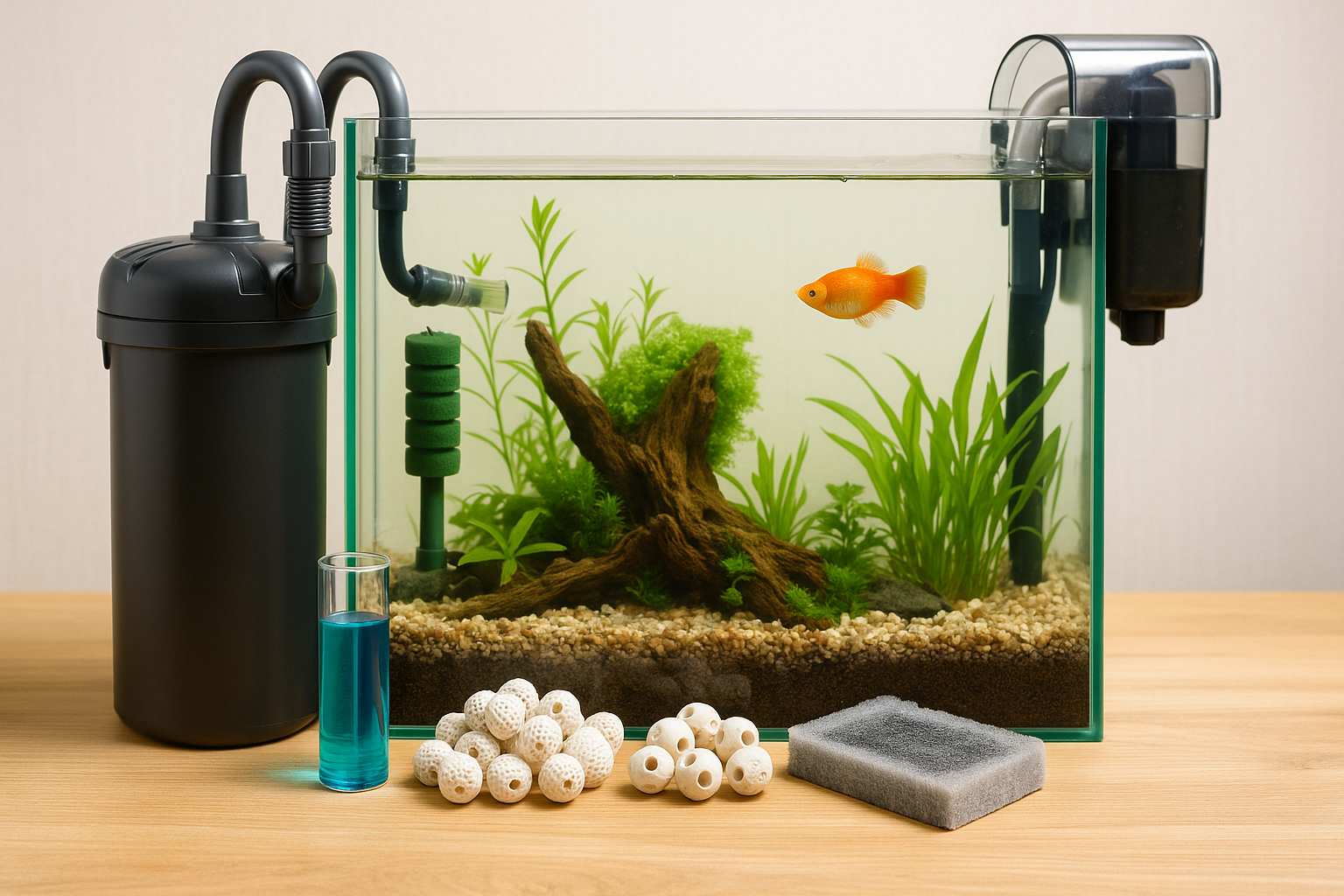
Marine setups require specialized tools and equipment to maintain saltwater stability:
| Equipment | Purpose |
|---|---|
| Marine Aquarium Tank (50L minimum) | Provides stable environment for saltwater life |
| Protein Skimmer | Removes organic waste before it breaks down |
| Live Rock/Substrate | Supports beneficial bacteria and habitat |
| Marine Salt Mix | Creates proper ocean water chemistry |
| RO/DI Water Filter | Removes impurities found in tap water |
| High-Output LED Light | Supports growth and coloration |
| Wave Maker / Circulation Pump | Creates ocean-like water movement |
| Marine Test Kit (Salinity, Alkalinity, Calcium, etc.) | Monitors essential parameters |
Marine tanks require patience — proper setup ensures long-term health.
Step 1: Choose the Right Location
Marine tanks require a steady environment. Ensure your tank is placed:
- Away from direct sunlight and heat sources
- Near electrical outlets for pumps and lighting
- On a strong, level base capable of supporting heavy weight
This prevents algae growth, equipment overload, and tank stress.
Step 2: Add Substrate and Live Rock
Marine aquariums rely on live rock for biological filtration.
- Use aragonite sand as substrate.
- Arrange live rock to offer hiding places and natural flow paths.
This becomes the foundation for biological balance.
Step 3: Mix and Add Saltwater
Use RO/DI water and mix marine salt until salinity reaches 1.023–1.026 SG.
- Add dechlorinated water
- Mix salt gradually until reaching target salinity
Let the tank run for 2–4 weeks during the nitrogen cycling phase before adding any livestock.
This allows beneficial bacteria to establish and prevent toxic ammonia spikes.
Step 4: Monitor Water Parameters
Marine organisms depend on tightly controlled water chemistry. Key parameters:
- Salinity: 1.023–1.026
- Temperature: 24°C–26°C
- pH: 8.1–8.4
- Ammonia/Nitrite: 0 ppm
- Nitrate: < 10–20 ppm
- Calcium: 380–450 ppm
- Alkalinity: 7–10 dKH
- Magnesium: 1200–1400 ppm
Step 5: Maintain Filtration
Marine aquariums thrive with consistent care rather than frequent changes.
Weekly Tasks:
- Change 10–15% water
- Top up evaporated water with RO/DI water
- Clean protein skimmer
- Test salinity
Healthy systems become stable, vibrant, and low maintenance over time.
Sustainability Tips
- Choose captive-bred fish whenever possible
- Avoid overstocking the tank
- Feed small amounts to reduce waste buildup
- Use LED lights to reduce power consumption
Protects marine ecosystems and supports long-term hobby success.
Want to Master Marine Aquariums?
At TiCi Nature Academy, we help marine enthusiasts gain real experience through:
- Saltwater chemistry training
- Hands-on marine aquarium setup sessions
- Filtration and lighting mastery
- Live tank management
Whether you're a beginner or upgrading your skills, our marine aquarium programs are designed to guide you step-by-step.
Explore our course - Aquatic Ecosystem Expert
Final Thoughts
A marine aquarium is more than a tank — it is a thriving ecosystem that requires patience, understanding, and care. With the right balance of filtration, chemistry, and maintenance, you can build a healthy, colorful aquarium that grows and evolves over time.
Take your time, enjoy the process, and experience the ocean world inside your home.