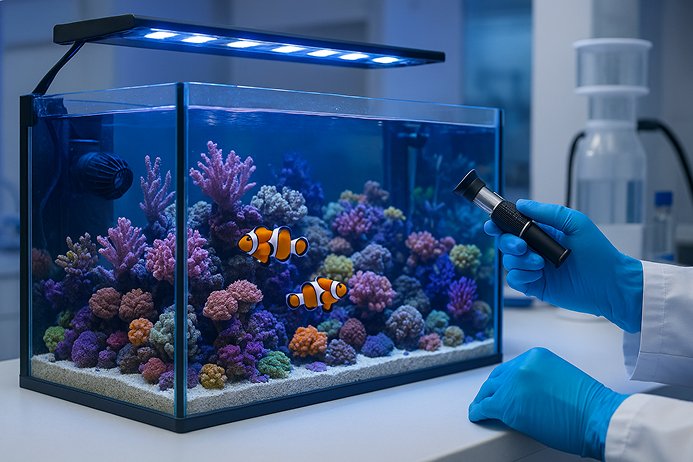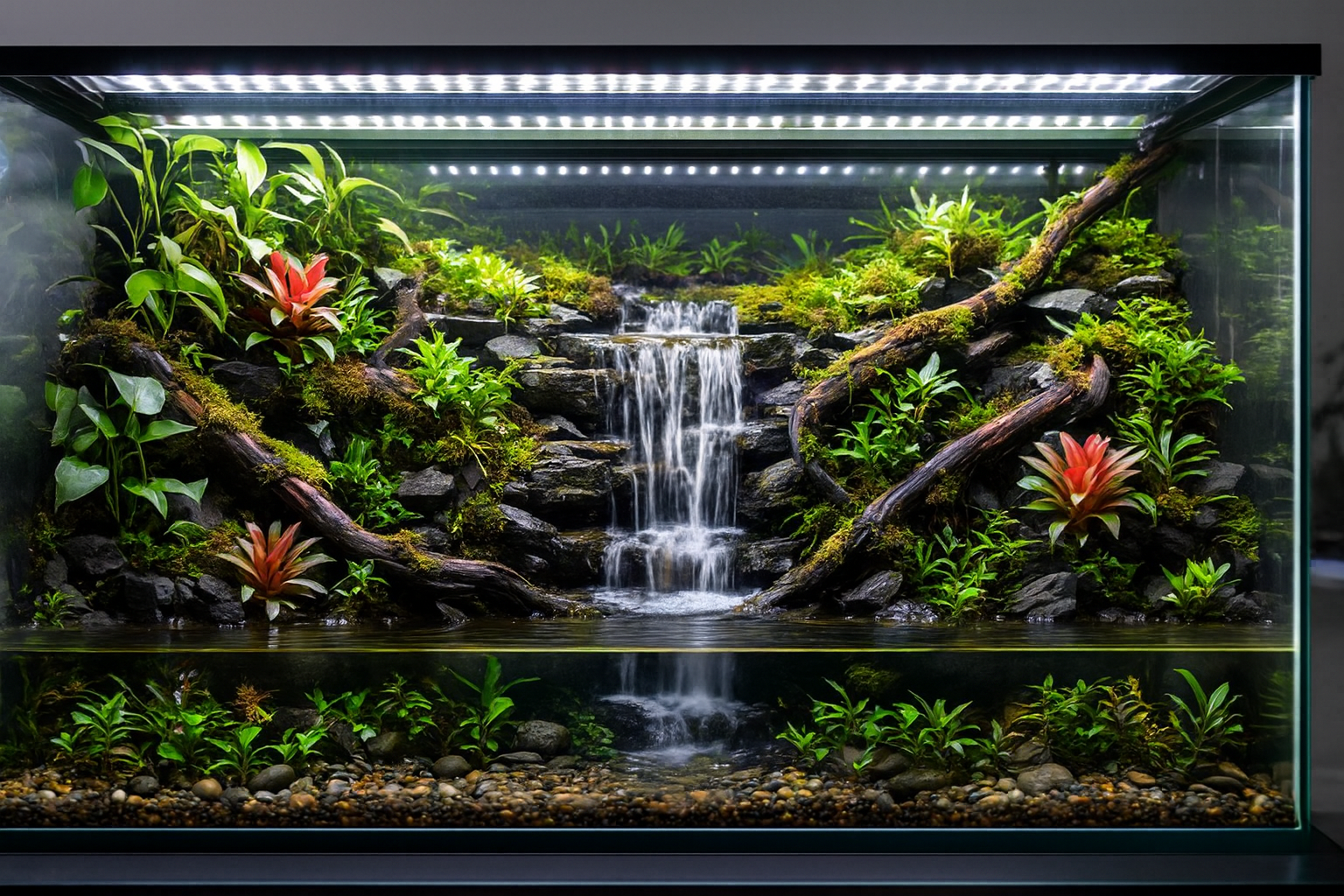
A paludarium is a beautiful blend of both water and land environments — a miniature rainforest ecosystem where plants, water, and wildlife coexist. It combines elements of aquariums, terrariums, and vivariums into one living display that mimics natural wetlands, riverbanks, and tropical jungle environments.
Whether you're passionate about nature design, exotic plants, or ecosystem-building, paludariums offer a deeply rewarding and immersive experience.
Why Build a Paludarium?
Paludariums are becoming popular because:
- They support both aquatic and terrestrial life
- Offer endless creative setup possibilities
- Create a natural microhabitat with waterfalls, fog, and live moss
- Look visually stunning and calming in any space
Most importantly, they inspire learning about real ecology, water cycles, and rainforest biodiversity.
What You Need Before Starting
A successful paludarium requires proper planning and equipment:
| Equipment | Purpose |
|---|---|
| Glass or Acrylic Tank (30–60L+) | Provides space for land and water areas |
| Waterproof Background or False Wall | Supports plants and hardscape |
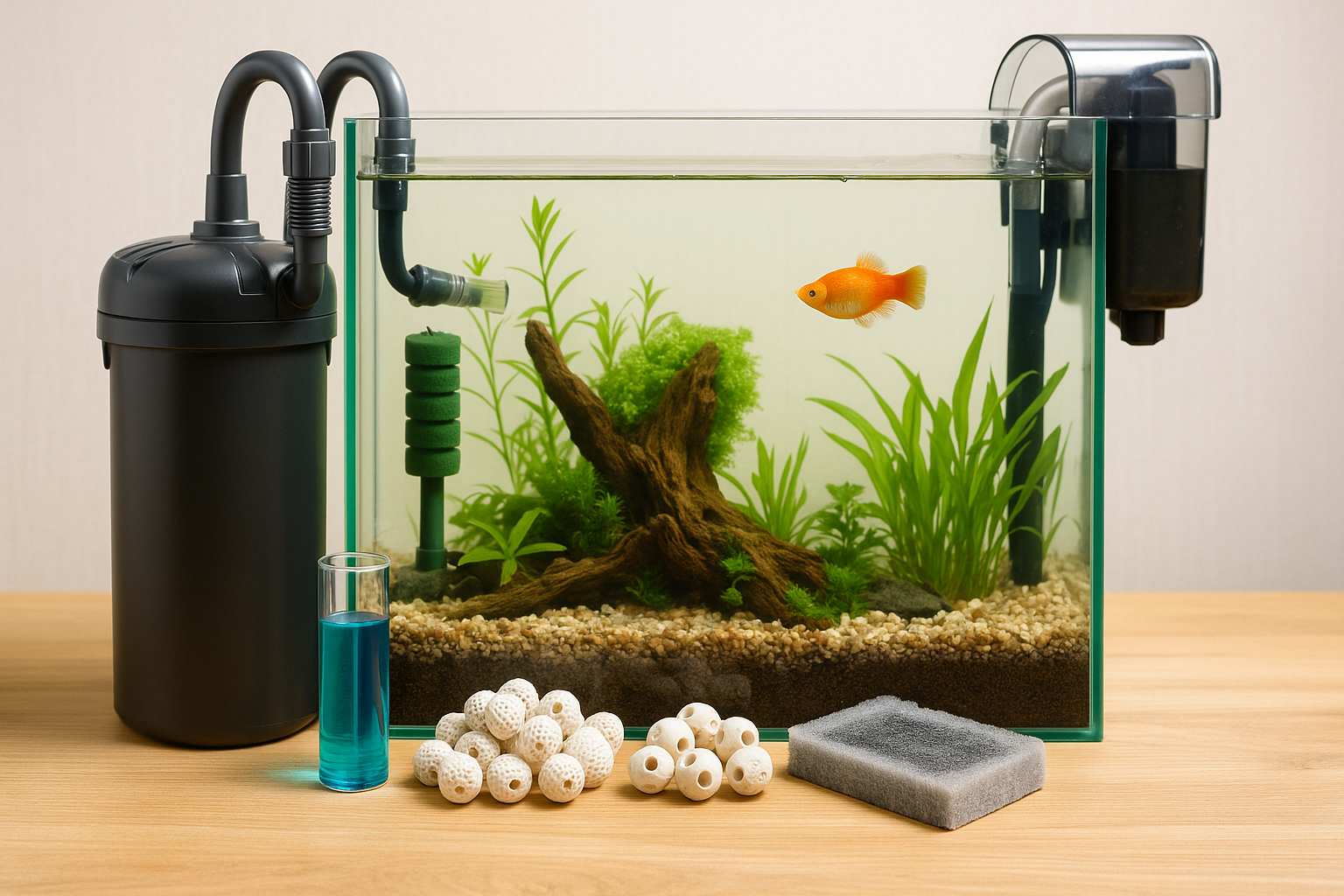
| Filter (internal or external) | Maintains clean water for aquatic life |
| Misting/Fog System (optional) | Maintains high humidity and rainforest feel |
| Aquarium Light or Grow Light | Supports plant photosynthesis |
| Water Pump | Creates waterfalls or flowing streams |
| Substrate Layers (soil, moss, gravel) | Supports terrestrial and aquatic plants |
| Test Kit (water parameters) | Ensures a safe environment |
Plan before you build — a well-designed layout keeps the ecosystem balanced.
Step 1: Choose the Right Location
Place the paludarium where conditions remain stable:
- Avoid direct sunlight to prevent algae and overheating
- Ensure nearby access to electricity for pumps and lighting
- Use a sturdy, level stand that supports tank weight
A steady environment ensures long-term stability and plant health.
Step 2: Build the Hardscape
This step defines the structure of your miniature rainforest:
- Create land and water zones using rocks, foam, cork, or natural wood.
- Add caves, branches, and ledges for plants and wildlife.
- Ensure waterproofing and proper drainage.
The layout determines how natural and functional the paludarium becomes.
Step 3: Add Substrate and Fill Water
Use layered substrate for natural biological function:
- Bottom layer: drainage balls or gravel
- Middle: soil mix or terrarium substrate
- Top: moss, leaf litter, decorative sand or gravel
Add water slowly to prevent erosion and activate filtration.
Step 4: Introduce Plants
Plants are the core of a healthy paludarium ecosystem.
Ideal beginner plant selections include:
- Java Fern (semi-aquatic)
- Cryptocoryne species
- Buchephalandra
- Fittonia (nerve plants)
- Tillandsia (air plants)
- Mosses: Java Moss, Sphagnum Moss, Cushion Moss
Step 5: Add Suitable Animals (Optional)
Only add animals after the system stabilizes. Good inhabitants include:
- Freshwater shrimps
- Small peaceful fish (like endlers or rasboras)
- Snails (nerite, mystery snails)
- Optional micro-fauna (springtails, isopods to maintain cleanliness)
Never overcrowd — small ecosystems require careful balance.
Step 6: Maintenance for Long-term Growth
Paludariums are self-sustaining when set up properly, but require consistent care.
Weekly Tasks:
- Mist and maintain humidity levels
- Clean glass and trim plants as needed
- Test and change water (10–20%)
- Check pump and filter function
Over time, the paludarium becomes a thriving, balanced micro-jungle.
Sustainability Tips
- Use captive-grown plants and animals — avoid wild collection
- Reuse substrate and hardscape when upgrading
- Use LED lighting to reduce energy use
- Grow moss and cuttings instead of buying new plants
Sustainable building helps protect fragile ecosystems and keeps the hobby ethical.
Want to Learn How to Build Paludariums?
At TiCi Nature Academy, we help nature enthusiasts learn through:
- Hands-on paludarium building workshops
- Training in plant care and ecosystem balance
- Hardscape design skills
- Ecosystem monitoring & maintenance training
- Live classroom paludarium setups
Whether you're just starting or improving your setup, our course teaches the science and design behind living ecosystems.
Explore our course - Aquatic Ecosystem Expert
Final Thoughts
A paludarium is more than a display — it’s a living rainforest in miniature form. With proper planning, patience, and creativity, it becomes a thriving ecosystem that evolves naturally over time.
Enjoy the process, embrace nature, and watch your miniature world come to life.