Upcoming Expedition · 3 Days · 2 Nights
Explore Nature Beyond the Surface
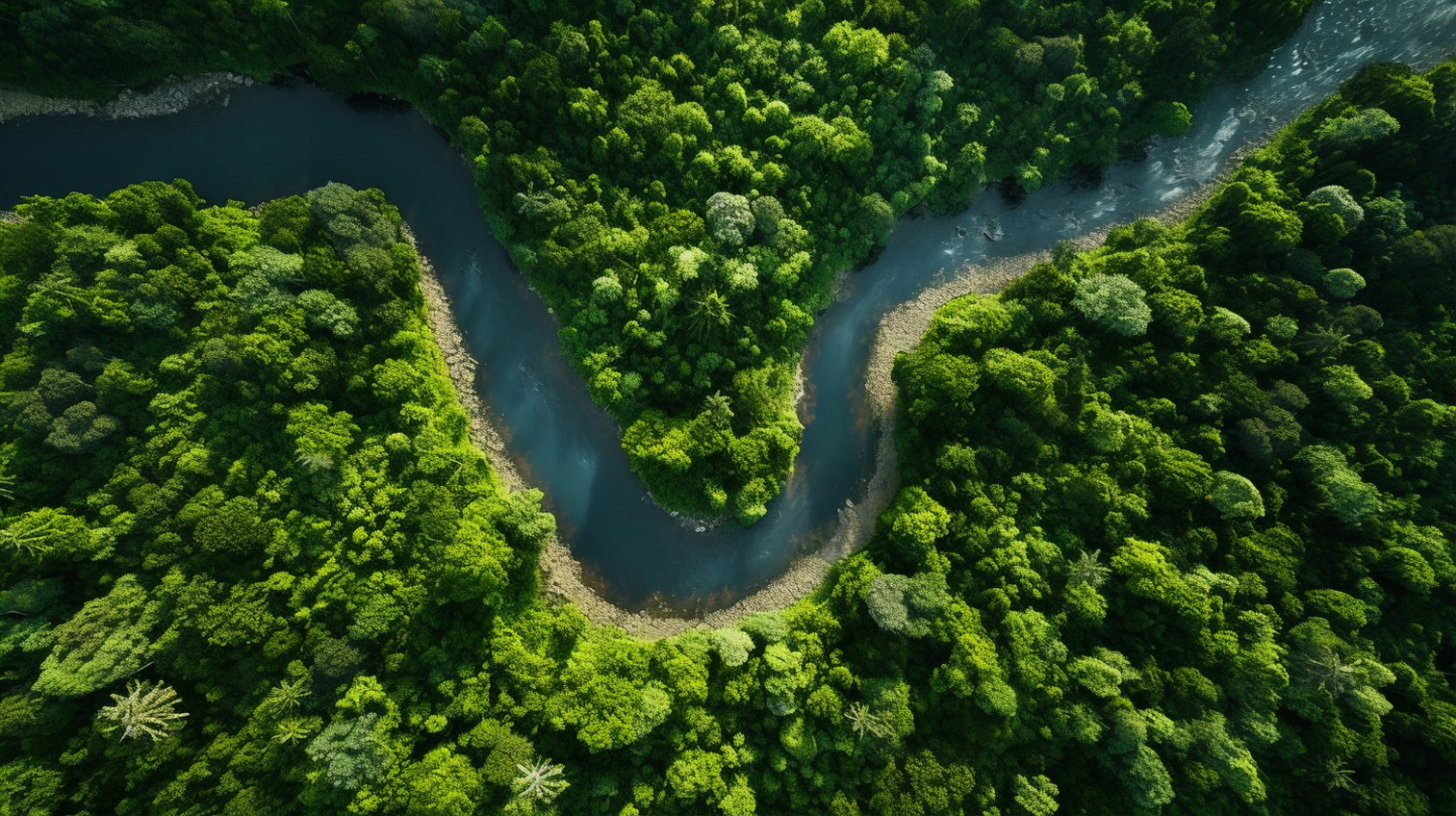
Every waterbody has a story. Come, discover it. From crystal-clear hill streams and hidden forest ponds to wetlands rich with aquatic life.
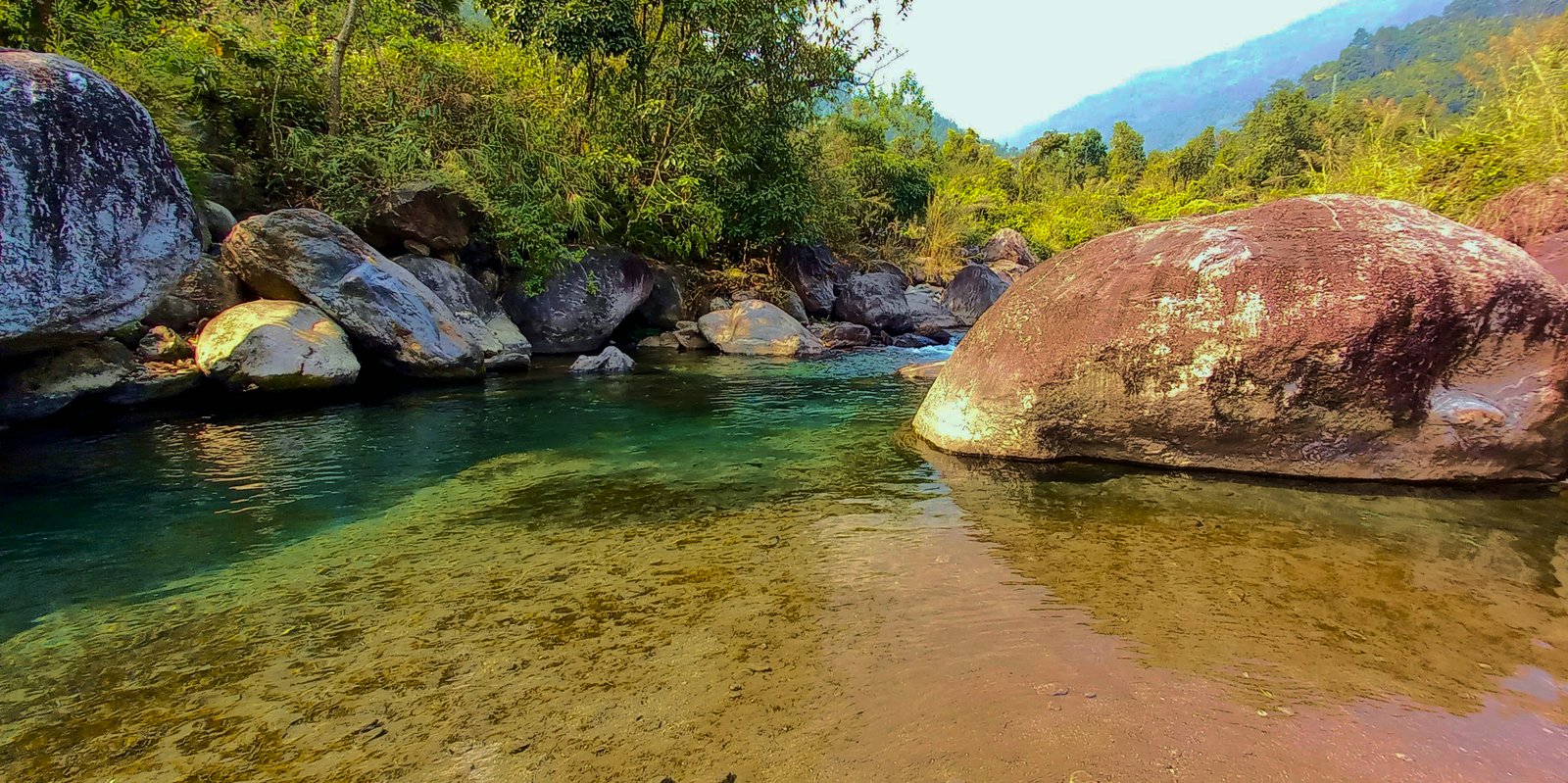
Every waterbody has a story. Come, discover it. From crystal-clear hill streams and hidden forest ponds to wetlands rich with aquatic life.
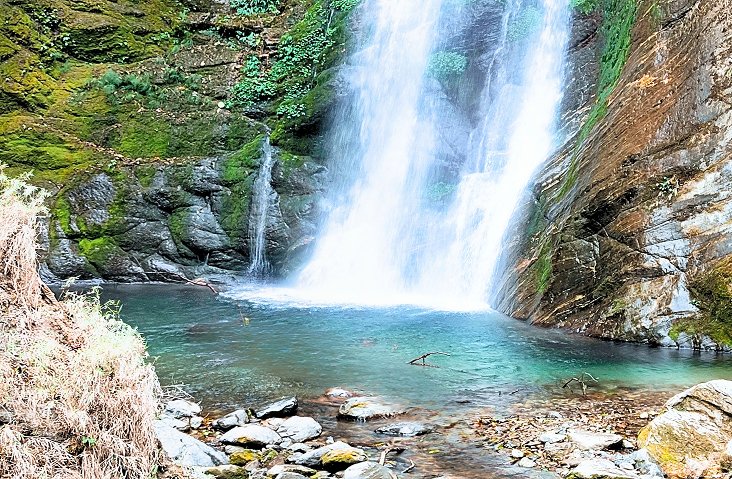
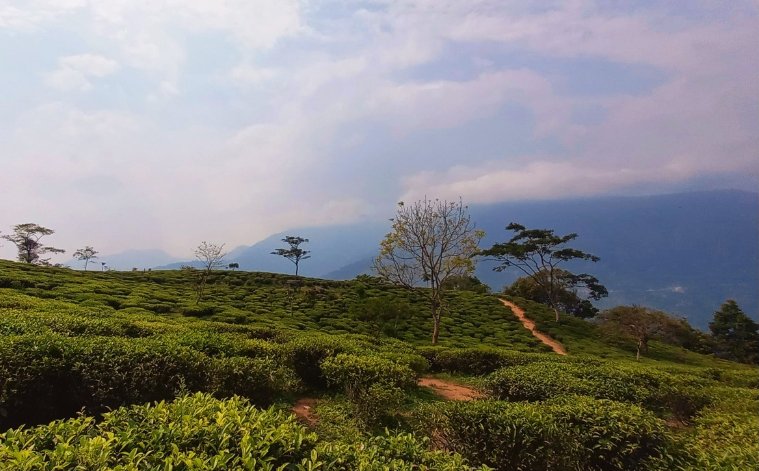
At TiCi, we believe the best way to understand an ecosystem is to experience it firsthand.
Our Nature Excursions are carefully designed educational field experiences where participants explore freshwater ecosystems alongside scientists, aquascapers, botanists and naturalists. Every excursion combines observation, ecology, photography, biodiversity documentation and practical learning.
Whether you're an aquarium hobbyist, student, photographer, researcher, or simply someone who loves nature, every journey offers a unique opportunity to connect with the living world.

Walk through rivers, lakes, wetlands, forest streams and natural ponds while understanding how aquatic ecosystems function.

Learn to identify native aquatic plants, fishes, amphibians, insects, molluscs and countless organisms that maintain ecological balance

Capture nature responsibly while learning photography techniques for aquatic habitats, macro life and landscapes.

Interactive discussions explaining habitat formation, biodiversity, ecological interactions and conservation.

Observe how natural habitats inspire authentic freshwater aquariums and biotope recreations.

Meet fellow aquascapers, researchers, photographers and nature enthusiasts who share your passion.
Every freshwater ecosystem tells a story. Our journey begins by observing the stream as a living system—its flow, geology, vegetation, and the countless interactions that sustain life.
Learn to read the landscape, identify ecological patterns, and understand how water shapes biodiversity from the mountains to the plains. Every bend, boulder, submerged root, and aquatic plant reveals clues about the health and functioning of the ecosystem.
Through careful observation and respectful exploration, we connect with nature on a deeper level and gain the knowledge needed to protect these vital freshwater habitats for generations to come.
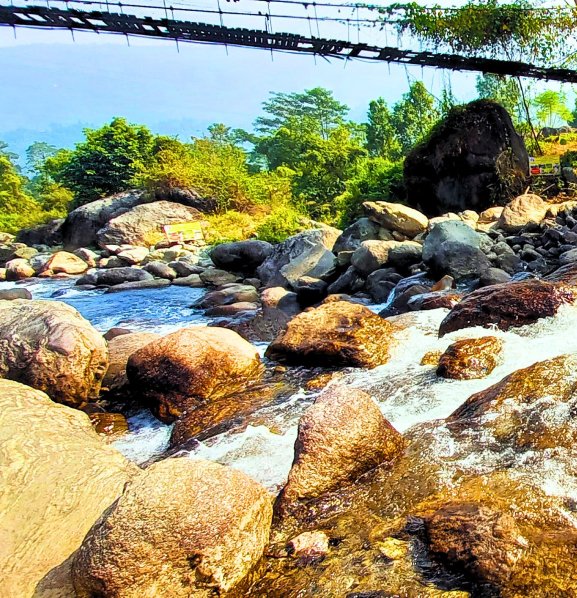
Nature hides extraordinary diversity beneath every surface. From native freshwater fish and aquatic plants to algae, amphibians, insects, and countless microscopic organisms, every habitat supports a unique community of life waiting to be discovered.
Participants also learn proper field documentation techniques used by naturalists and researchers. Through careful observation, photography, field notes, habitat recording, and ethical species documentation, you'll develop the skills to identify organisms, understand their ecological roles, and create meaningful records that contribute to biodiversity awareness and conservation.
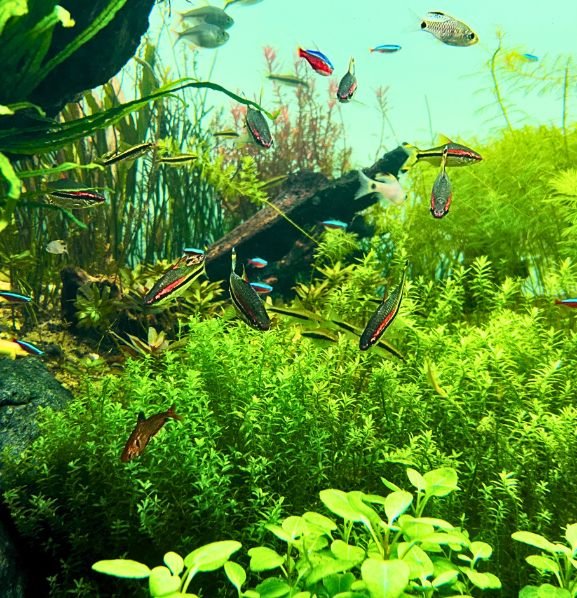
Photography becomes a tool for learning. Every photograph tells a story about the landscape, wildlife, and the intricate relationships that exist within freshwater ecosystems.
Learn how to observe nature through a scientific lens while capturing streams, aquatic habitats, native flora and fauna, and ecological interactions. Participants will explore the fundamentals of ethical wildlife photography, composition, lighting, and field documentation to create images that not only inspire but also support research, education, and conservation.
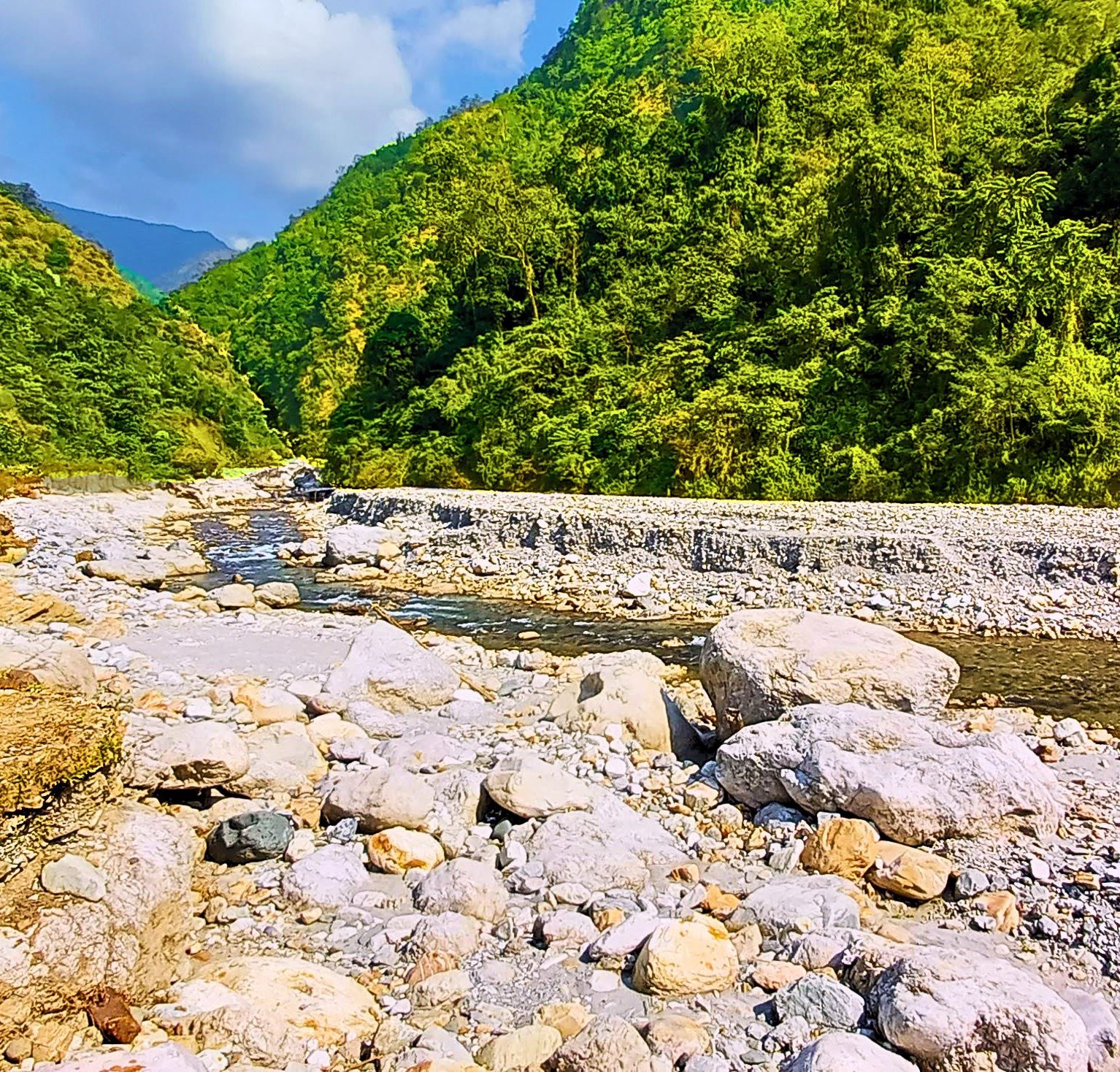
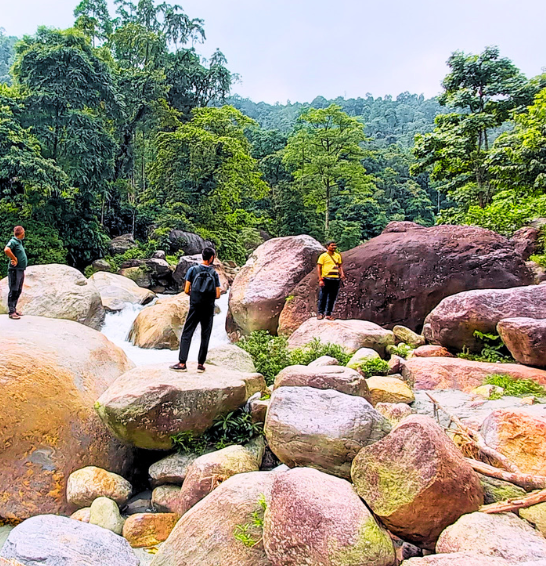
Every destination becomes an open classroom. Each excursion combines real-world observations with expert-led discussions, transforming natural landscapes into living laboratories for learning.
Interactive discussions encourage participants to connect observations with scientific concepts. Explore freshwater ecology, biodiversity, ecosystem dynamics, conservation challenges, and field experiences through engaging conversations that inspire curiosity, critical thinking, and a deeper appreciation for the natural world.
One of the signature experiences of TiCi. Learn how to transform field observations into authentic aquascapes by understanding the ecological relationships that shape natural freshwater habitats.
Rather than creating an aquarium based on appearance alone, participants learn how to recreate nature with authenticity. Explore substrate composition, hardscape placement, water flow, plant selection, and species compatibility to design biotopes that reflect both the beauty and ecological function of the ecosystems observed during the excursion.
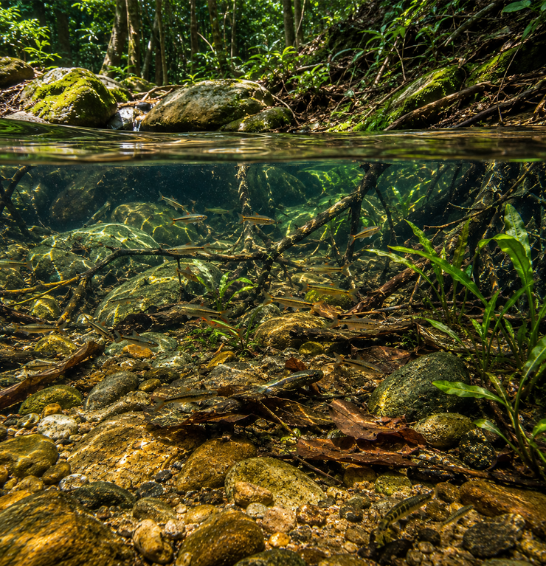
Instead of fixed locations, each expedition adapts to the season and the story the landscape wants to tell.
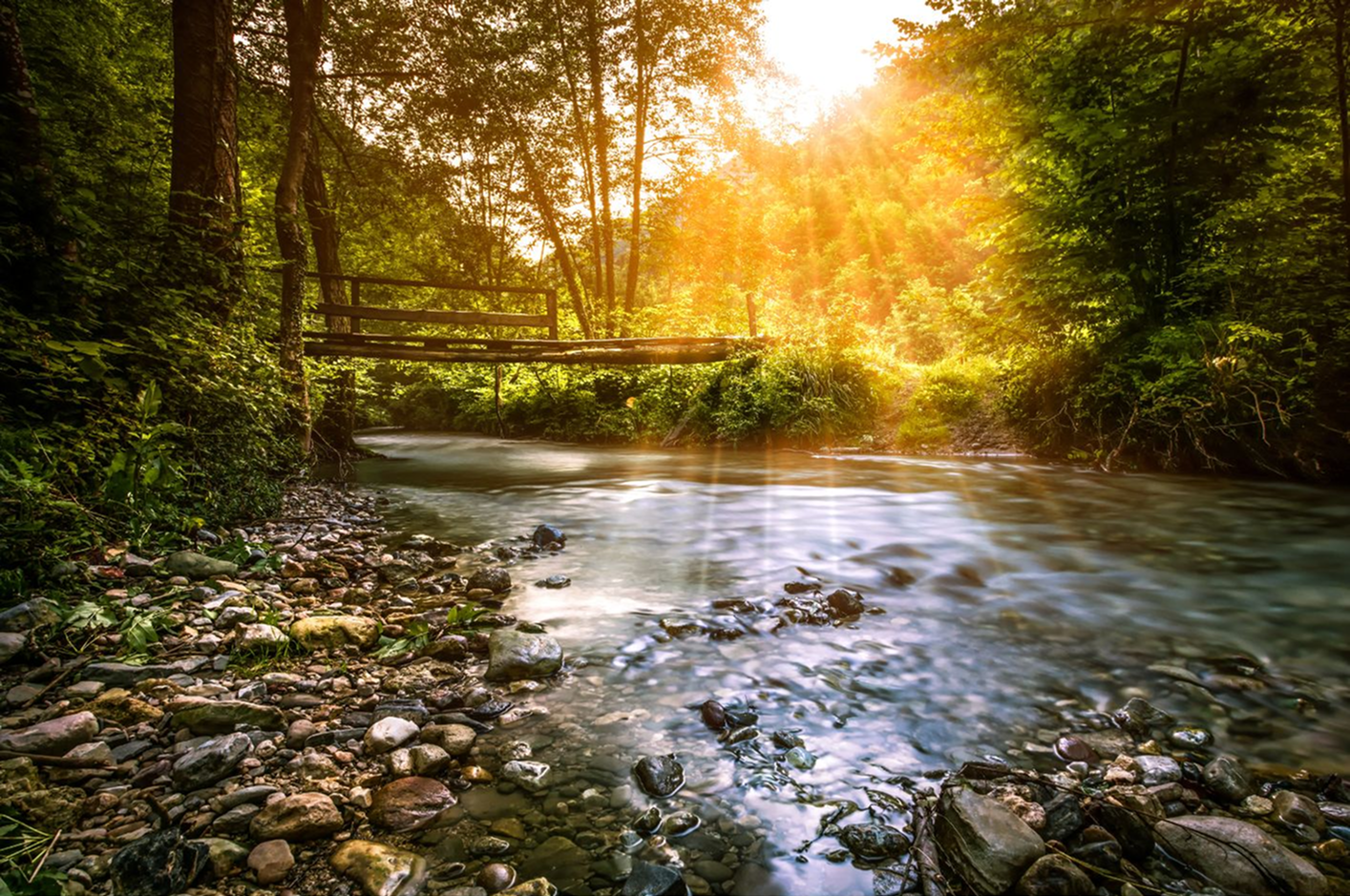
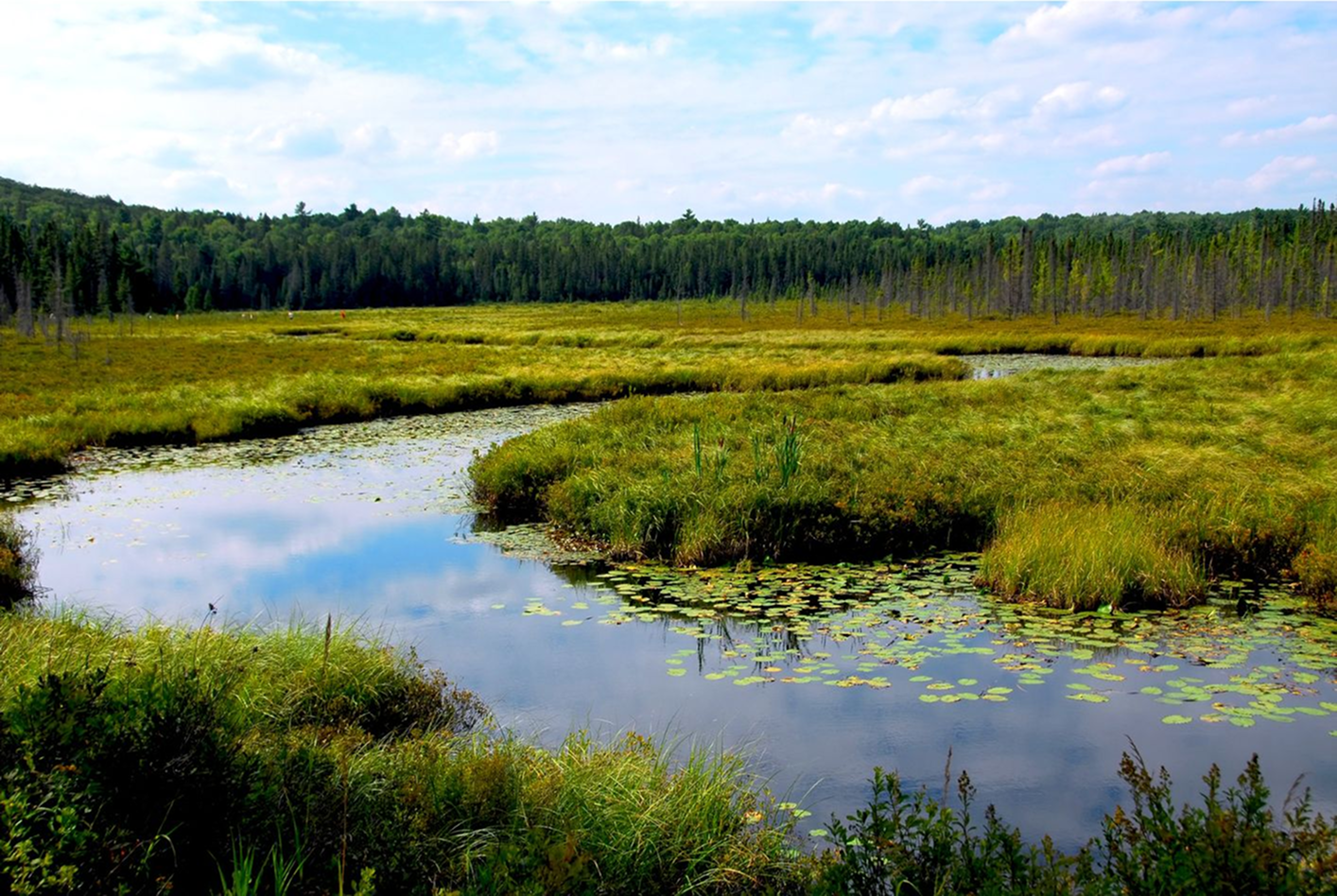
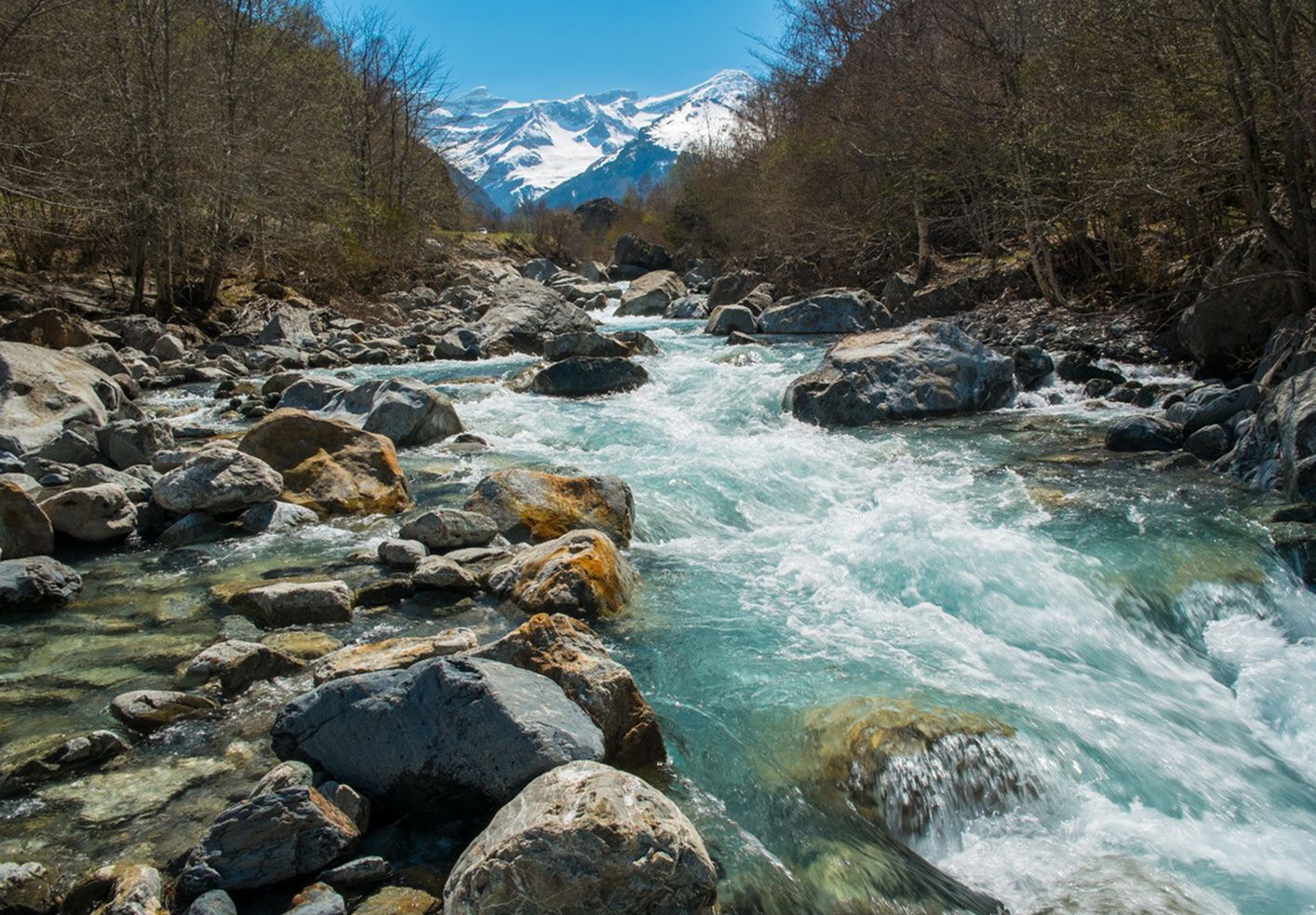
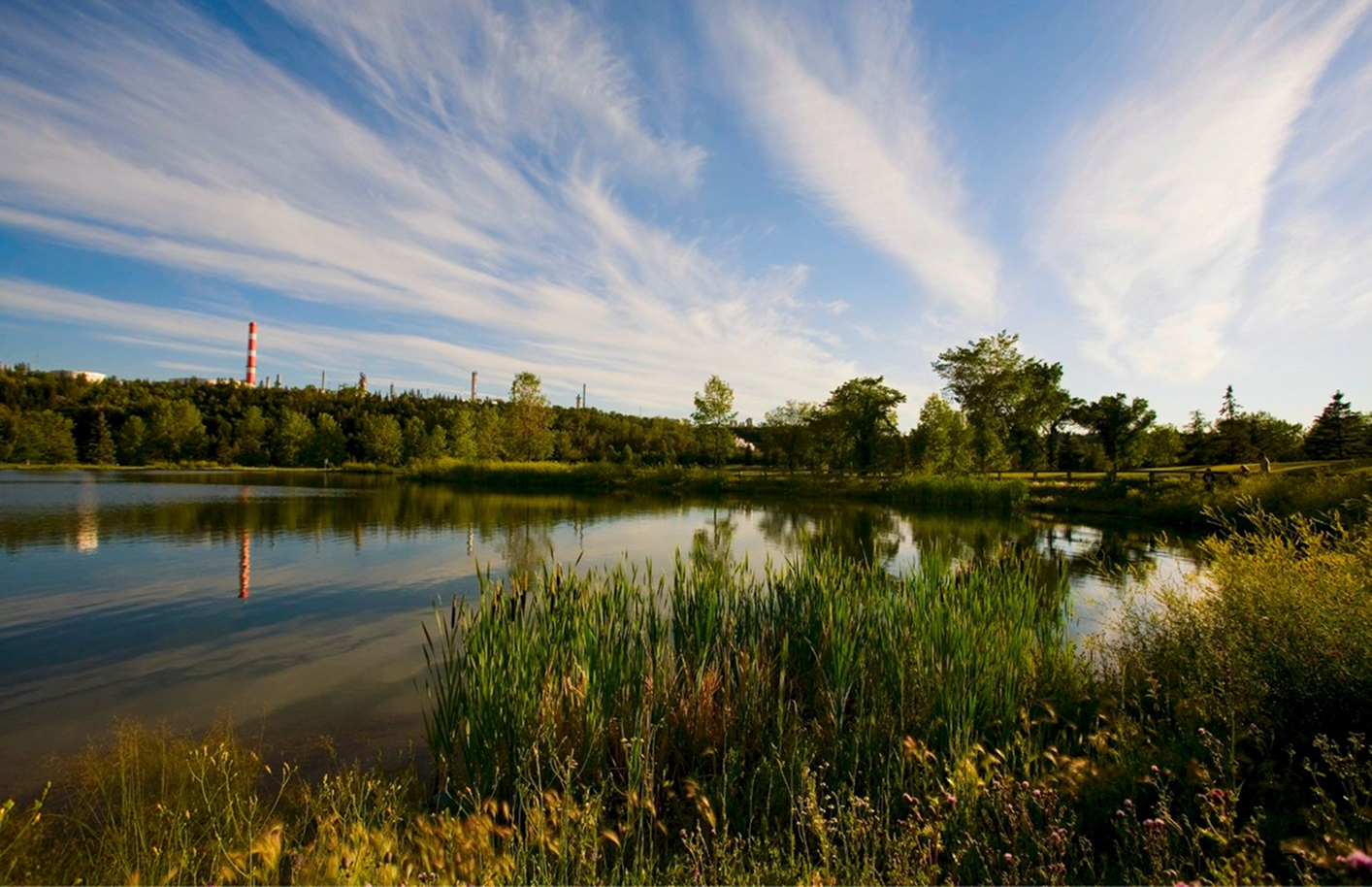
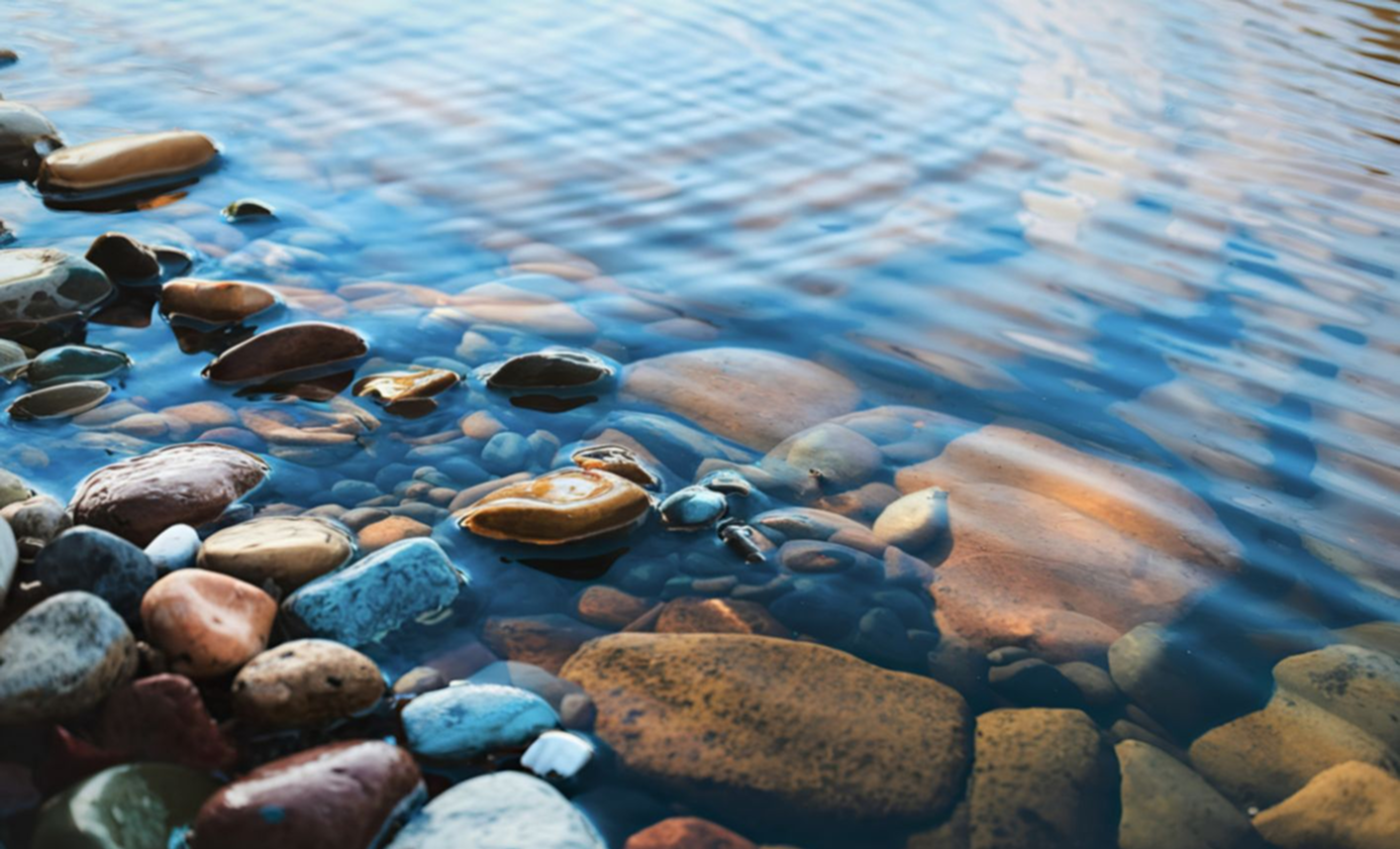
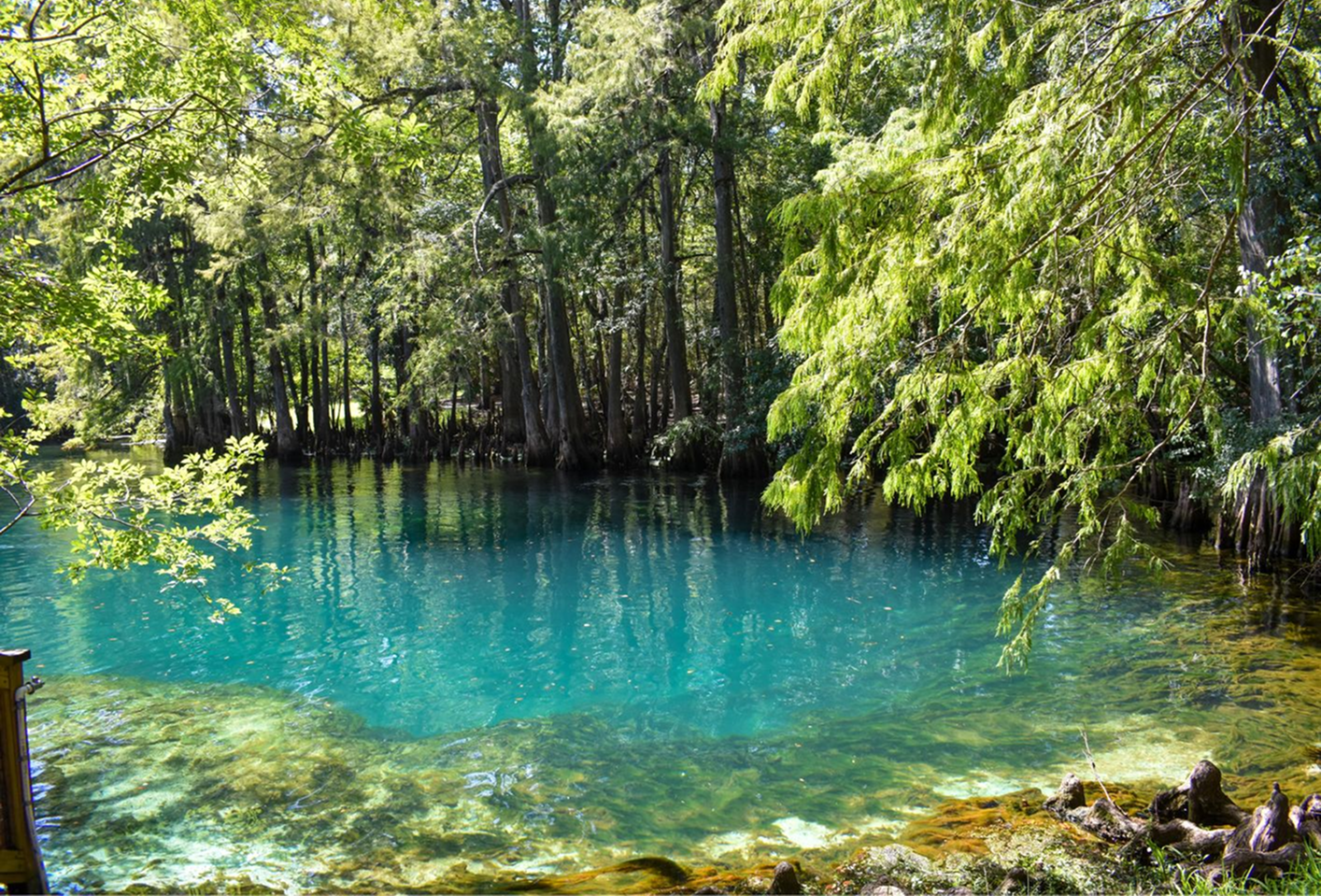
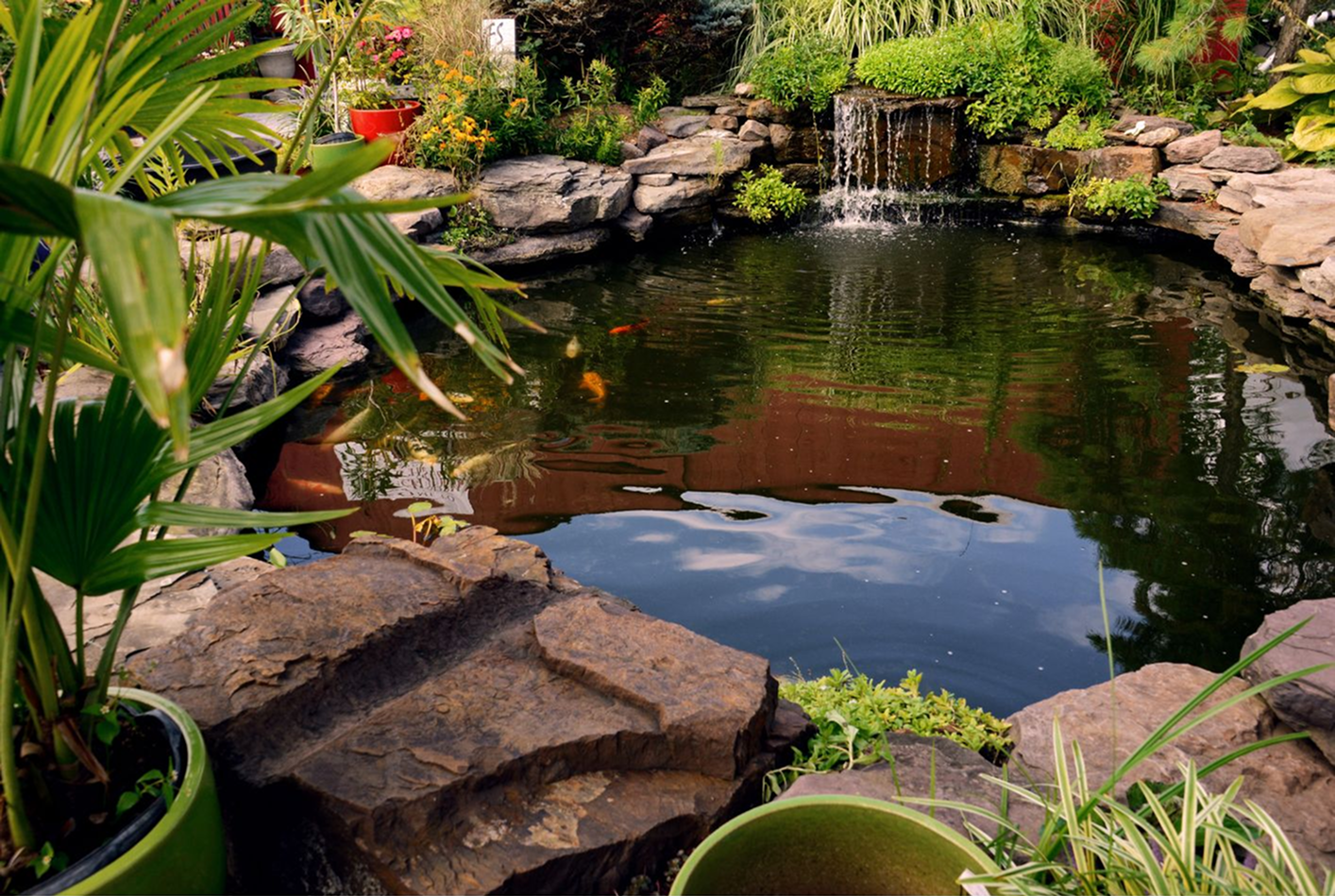
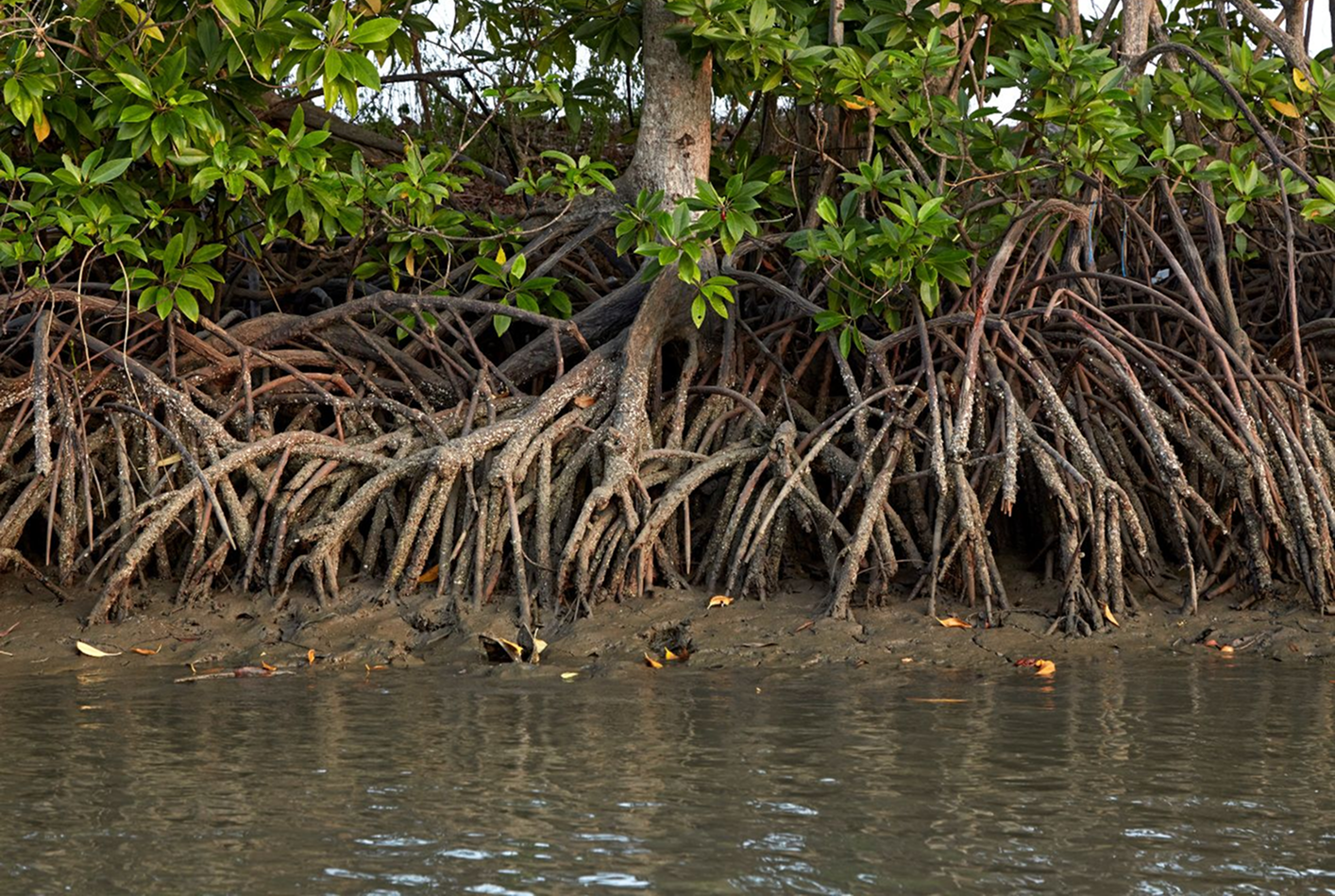
Observe
Question
Document
Identify
Understand
Conserve
Recreate
No previous experience is required. What matters is that you come with your eyes open and questions ready.
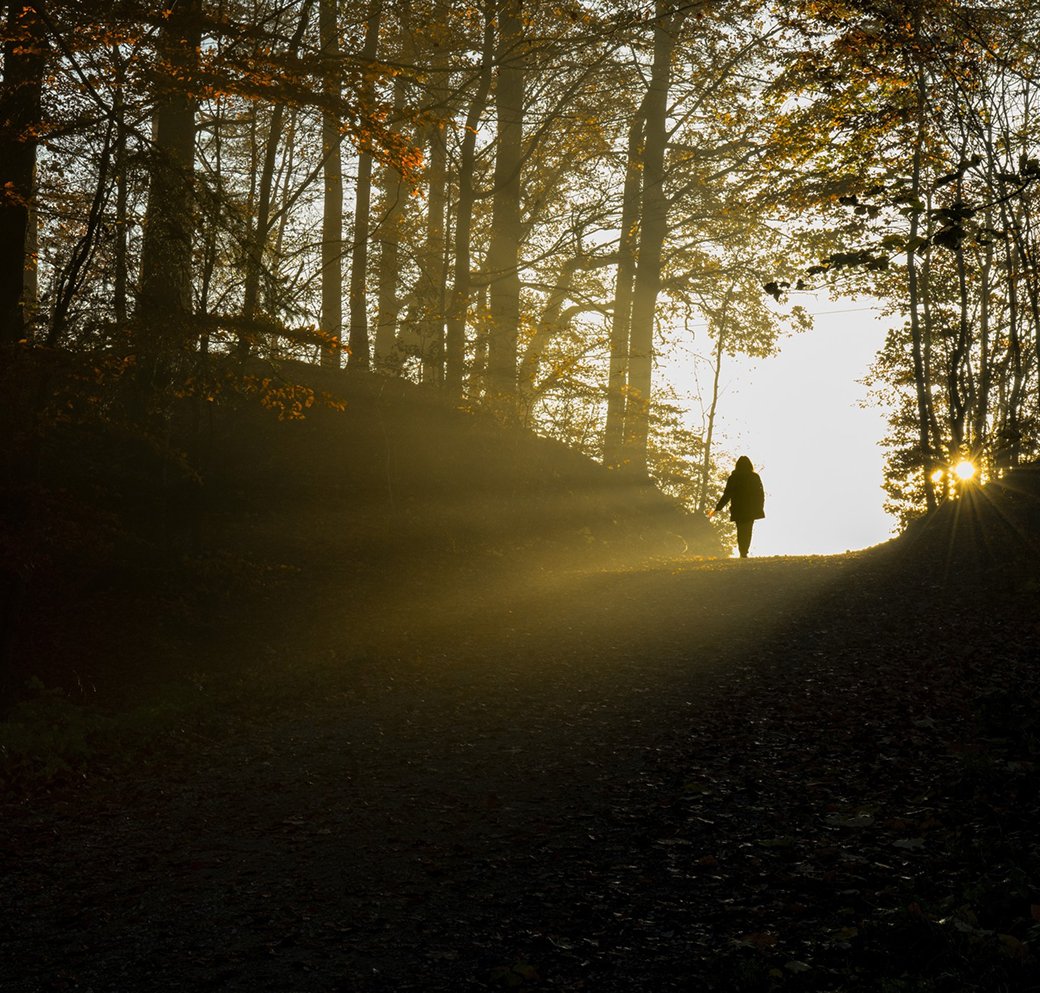
Every participant leaves with more than photos — a new way of seeing the water.

Water parameters, habitat sketches, species lists, GPS points, weather notes - everything researchers record, guided step by step.
Water quality tracking
Accurate location logging
Identify & record species
Draw & describe habitat
Rainfall, wind & more
Write your field notes
Began survey downstream of Lava, Kalimpong District at approximately 6:30 AM. Water is crystal clear with moderate flow. Observed small native freshwater fish along the rocky stream margins. Photographed moss-covered boulders and filamentous freshwater algae-one of the first significant observations of the season.
Nature has its own calendar. From blooms to bird calls - every season brings something extraordinary.
TiCi Nature Excursions is building a community of explorers, students, aquascapers, photographers, researchers, and nature enthusiasts who believe that understanding nature is the first step toward protecting it. Every excursion is an opportunity to learn, document, and inspire conservation through shared experiences.
The right gear helps you stay prepared, comfortable and focused - so you can spend less time worrying and more time observing.
Nature welcomes us only when we respect it. We follow a strict code of responsible exploration to protect the wild and preserve its beauty.

Take nothing but photos, leave nothing but footprints.
Observe from a distance. Do not feed or disturb animals.
Stay on marked trails and avoid damaging plants or habitats.
Do not collect plants, rocks, or artifacts without proper authorization.
Capture moments, not harm. Avoid intrusive or stressful photography.
Support local conservation initiatives and protected areas.
Be respectful, learn from local cultures, and leave no negative impact.
Share knowledge, inspire others, and be a voice for nature.
Nature has its own calendar. From blooms to bird calls - every season brings something extraordinary.
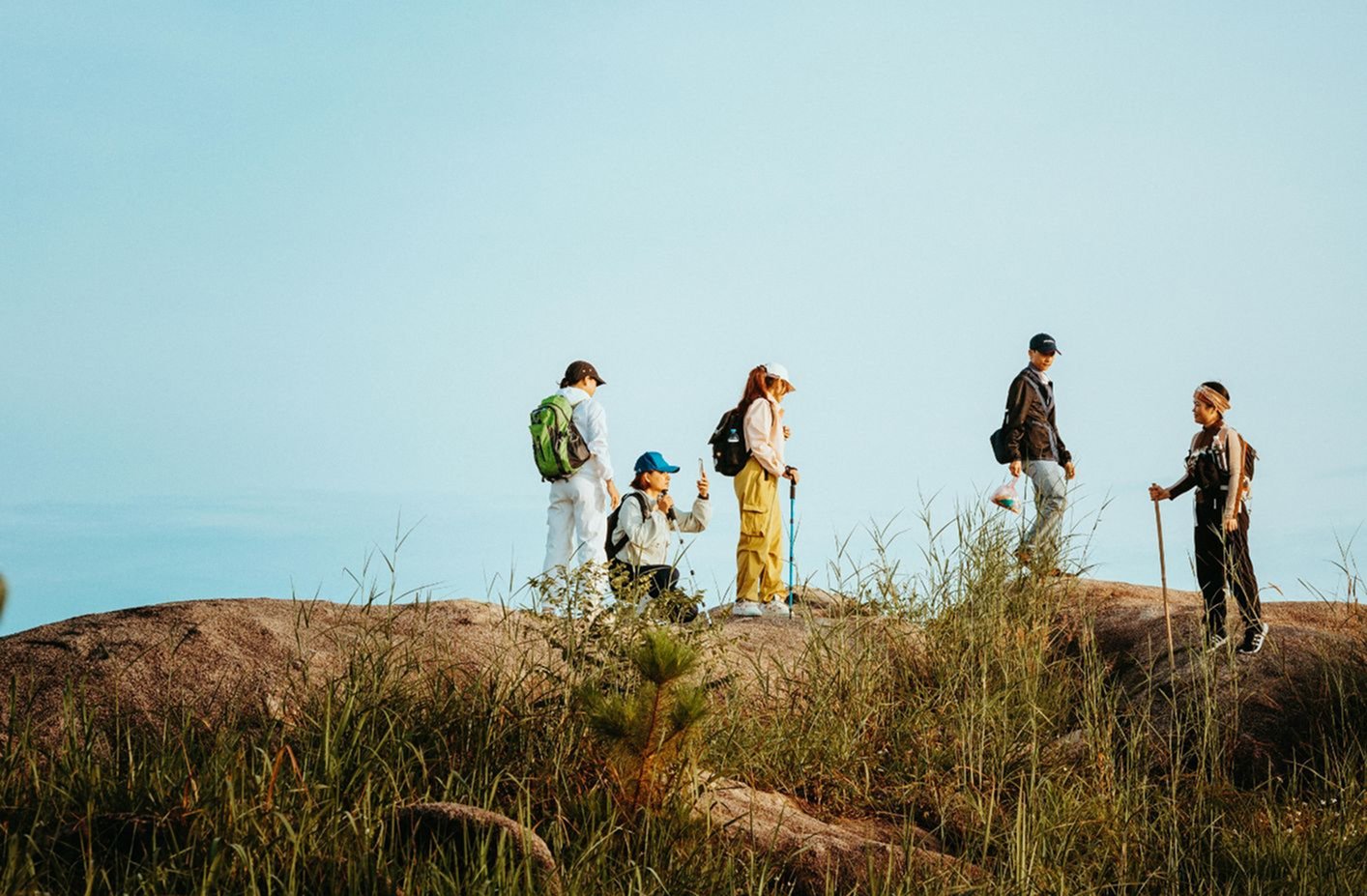




Enroll now and take the first step toward becoming a certified nature technician.


Not at all. Our leaders scaffold every session from first principles.
 Consult